Stress vs Anxiety: 5 Critical Differences You Must Know
Stress and anxiety can feel similar, and yet they are not the same. It is very vital for you to recognize what exactly you have to find the solution. Let us now look at the five critical differences between anxiety and stress.
5. Stress Is For Everybody, Anxiety Is For Few
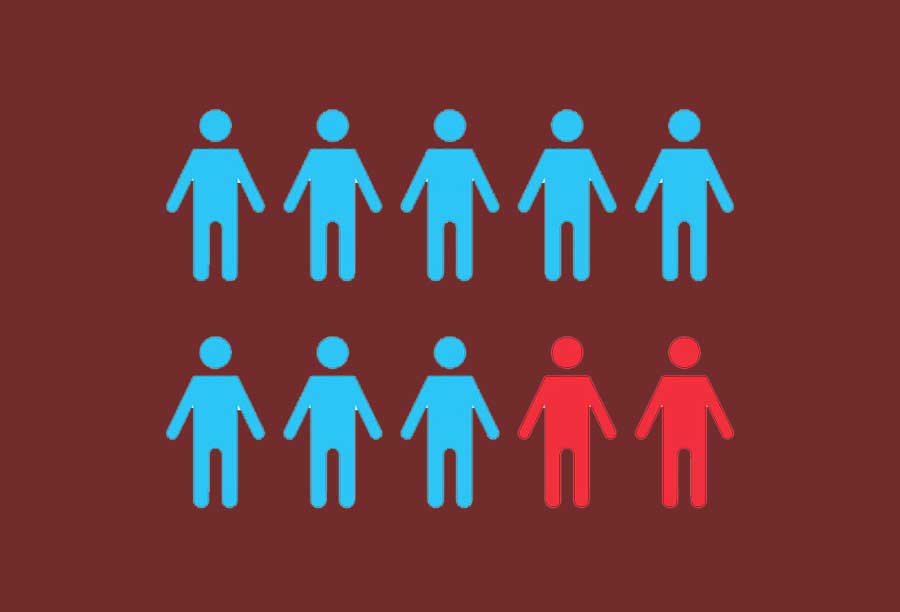
Both stress and anxiety can be normal experiences in a person’s life. The first big difference between the two is that everybody feels stress, but not everybody feels anxiety.
What is stress?
Stress is simply your body’s quick and temporary response to a challenging outer situation. For e.g., if you’re about to give an important exam or a work presentation, then you may feel some tension about it.
Stress has a clearly identifiable external trigger. When that outer trigger goes away, the stress should also go away. When your exam or presentation is completed, you should no longer feel stressed.
What is anxiety?
Anxiety is your body’s long-term internal response to stress. You feel a constant state of unease, worry, and fear. Anxiety makes your body feel like it is constantly ready for fight or flight. For e.g., you wake up on a holiday morning with a feeling of dread and nervousness, even when there is nothing big going on in your life.
Anxiety has no clearly identifiable external trigger. Because anxiety is not triggered by one event, it keeps going on and on and doesn’t go away on its own.
Are you stressed or anxious?
There are some warning signs to check if you are feeling anxiety and not just regular stress. Answer the following questions with brutal honesty:
- Do you feel worry, fear, and dread every day, no matter what is happening in your life?
- Do you feel out of control every day?
- Do you regularly use alcohol or medicines to calm down and relax?
- Are you constantly worried that something bad is about to happen?
- Have your sleep or diet habits changed dramatically in recent years?
- Do you often think about hurting or harming yourself?
- With each passing year, do you feel your mental tension has increased?
If you answered yes to most of the above questions, there is a good chance you may have chronic anxiety.
- Is usually triggered by an external event like an examination or an argument
- Should go away once the outer situation passes or gets solved
- Can be sometimes positive as it can motivate you to perform better
- Is a proportionate response; major life events (like marriage, divorce, moving home, etc.) cause lots of stress, and minor events cause little stress
- Person continues to perform most life activities normally, even when stressed
- Person will naturally experience calm and relaxed periods in between stressful episodes
- Has no clear external trigger event
- Is constantly present and never goes away
- Is always negative as it affects your ability to function normally
- Is always in excess proportion, irrespective of what external event is happening (major or minor life events both cause equal anxiety)
- Person finds it hard to perform most life activities normally when anxious
- Person needs alcohol or medicines to become calm and relaxed
4. Stress Causes vs. Anxiety Causes: What are your Triggers?
The next big difference between stress and anxiety is their causes. Most of the causes of stress are obvious and easily measurable. At different points in your life, you can experience stress triggered by various situations.
Common Reasons For Stress
Work challenges: Tight deadlines, excessive workload, conflicts with co-workers, etc.
Relationship troubles: Frequent arguments, communication issues, commitment issues, etc.
Financial worries: Increasing expenses, increasing debt, not enough savings, etc.
Health concerns: Coping with a disease, caring for a sick loved one, etc.
Life changes: New job, new promotion, marriage, divorce, first child, death of a loved one, etc.
In comparison, most of the causes of anxiety are hard to pinpoint and difficult to measure. There may be a range of obvious or hidden factors that could trigger anxiety in you.
Core Reasons For Anxiety
Past trauma: Abuse or neglect in childhood that led to trauma
Long-term stress: Prolonged periods of stress that kept the body in elevated levels of tension
Genetic factors: Family history of nervous disorders, and heightened sensitivity to stress
Mental conditions: Other psychological conditions like depression, phobias, schizophrenia, etc.
3. Stress Symptoms vs. Anxiety Symptoms: Similar Yet Different
Both stress and anxiety have many overlapping symptoms. This is what makes it hard to distinguish between the two. Symptoms that are common between anxiety and stress include:
- Excessive worry
- Faster heartbeat
- Faster breathing
- Fatigue
- Headaches or body pain
- Muscle tension
- High blood pressure
- Loss of sleep
- Irritability
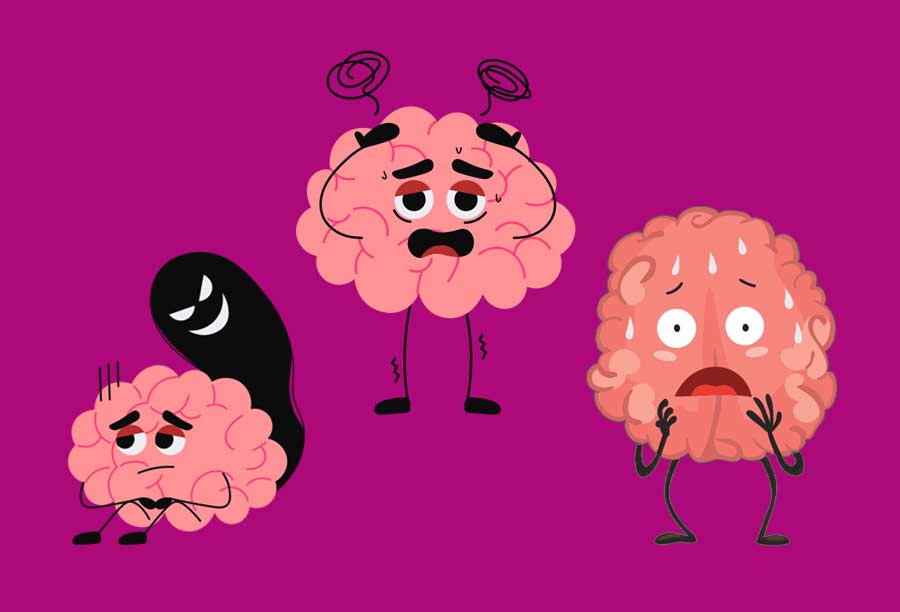
The biggest difference in stress vs anxiety symptoms is the emotional component. The emotional symptoms of anxiety are usually more dramatic. An anxious person is more likely to panic even in common scenarios.
For e.g., both people with stress and people with anxiety will overreact to losing their wallet or phone. However, a person with anxiety will react much more dramatically, as if it were the end of the world.
- Worry about a situation
- Dizziness
- Feeling of overwhelm
- Nausea
- Constant anger
- Mood swings
- Constipation
- Frustration
- Worry about everything
- Sweating
- Feeling of restlessness
- Itching
- Constant worst-case scenario thoughts
- Dread or panic
- Diarrhea
- Trembling
2. Stress Disorders vs Anxiety Disorders: From Bad To Worse
The next major difference is in the types of stress disorders and anxiety disorders.
Three Main Types Of Stress Disorders
Acute Stress:
This is the most common form of stress. It is your body’s natural response to any unexpected, challenging, or threatening event. For e.g., you need to give a presentation at work, and you experience stress before and during the event.
Episodic Acute Stress
When periods of acute stress start to happen often, it leads to episodic acute stress. For e.g., you had a bad day at work, then got stuck in a bad traffic jam on your way home. Then you came home to find your pet made a mess. And these kinds of days start happening frequently.
Chronic Stress
Chronic stress happens as a result of long-term unresolved emotional pressure. For e.g., long-term conflicts with your parents/partners/co-workers or long-standing money problems.
Chronic stress causes you to go through long periods where your body is stuck in fight or flight mode and doesn’t get a chance to recover. Your nervous system remains in a constant state of heightened alertness, which can lead to dangerous conditions.
Five Main Types Of Anxiety Disorders
Generalised Anxiety Disorder (GAD)
People with GAD worry every day, all the time, about everything. These uncontrollable feelings of worry lead to constant thoughts about things going wrong in the worst possible way. Even usual interactions with people at home, work, or at social events make them feel nervous and anxious.
Panic Disorder
People with this condition experience repeated and sudden panic attacks. During these attacks, they experience extreme fear, rapid heartbeat, sweating, and shortness of breath.
Social Anxiety Disorder
People with this disorder feel a great fear of others criticizing or judging them in social settings. These people avoid gatherings, parties, and public events. They feel extremely distressed around others and prefer to isolate themselves whenever possible.
Obsessive-compulsive disorder (OCD)
People with OCD feel compelled to complete some ritualistic actions. They get repeated obsessive thoughts that force them to perform some compulsive behavior. For e.g., constantly checking all the doors are locked, or the stove is turned off.
Post-traumatic stress disorder (PTSD)
People with PTSD usually experience recurring flashbacks to some past traumatic events. These traumatic memories trigger crippling anxiety symptoms.
How does stress develop into anxiety when left untreated?
Chronic or long-term stress, when ignored, can eventually develop into anxiety disorders. When your body is constantly under stress, your nervous system is always in a high-alert state. Eventually, even when there is no stress from outside, your body remains stuck in this high-alert state. This can trigger different anxiety disorders.
Relieve your stress before it builds up in your system so you prevent stress from turning into anxiety.
1. Stress Management vs. Anxiety Treatment: The Biggest Difference
Stress can be managed, and anxiety has to be treated. This is the biggest difference between stress and anxiety.
If you currently have only stress and it has not yet developed into anxiety, you can probably handle it on your own. Once stress grows into anxiety, it becomes mandatory to get external help.
Trying to manage anxiety on your own only makes matters worse.
Methods To Cope With Stress
Identify triggers
Find out the situations, places, and people that most contribute to your anxiety and stress. You may not always be able to get away from them, but recognizing them can help you be prepared.
Journaling
Take out some time every day to write down your thoughts and feelings in a notebook or an app. Then revisit these notes every few weeks to identify patterns in your thoughts.
Your past entries should help you find out what is causing you the most stress. Then you can create an action plan for solving that stressful situation.
Exercise
Regular exercise causes the body to release feel-good chemicals like dopamine. Take a short and quick walk at lunchtime. Or go home and dance to some music. You can even visit the gym. Intense physical movements can help relieve stress on many levels.
Mindfulness meditation
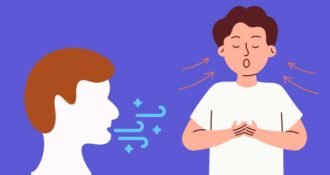
Begin a mindfulness practice that relaxes your mind and breath.
Connect with loved ones
Call the people you love every weekend and have a chat. Or better yet, visit them personally. Socializing with friends and family can be a great way to de-stress and let go.
Regulate sleep routine
Go to sleep every day at the same time. This puts your body’s circadian rhythms in order and lets you fall asleep faster. Do a 10-minute calming routine by listening to music or stretching before going to bed..
Cut back on unhealthy foods
Some foods can boost anxiety and stress and make your symptoms worse. Cut back on caffeine, alcohol, and fried foods.
Increase healthy foods
Nuts, fatty fish, and magnesium-rich foods reduce anxiety and stress by lowering your cortisol levels. Add more high-protein and antioxidant foods to your diet.
Schedule frequent breaks
If you have a busy work life, then set alarms on your phone to remind you at one-hour intervals to take a break. Working continuously for hours can worsen your stress disorder.
Spend time in nature
Once a week, spend at least 30 minutes in a garden or park. Walk barefoot on wet grass for a few minutes when the weather is warm. This will trigger your body’s natural relaxation mechanism and relieve stress.
Decrease screen time
Install an app on your phone that tracks how much screen time you spend on it every day. Decrease your screen time every week, and go off your phone at least an hour before bedtime. This gives your mind time to cool down and allows you to sleep better.
Effective Treatments For Anxiety
Talk to a therapist and discover which anxiety solution will match your unique needs.
Cognitive Behavior Therapy (CBT)
CBT is a popular therapy for anxiety that establishes the connection between your thoughts, feelings, and behaviors. Your therapist will help you follow a goal-oriented approach to discover your anxiety triggers and solve them one by one.
Exposure Therapy
Exposure therapy shows you how to safely expose yourself to the situations, activities, and people that currently create anxiety in you. It builds a fear hierarchy based on your most anxiety-provoking triggers and helps you deal with them.
Acceptance and Commitment Therapy (ACT)
ACT is a unique therapy that eventually changes your relationship with the things that currently trigger anxiety. Over a period of time, your inner struggles decrease and your mental flexibility increases.
Stress is just your body’s temporary response to an unpleasant external situation. Anxiety is the long-term consequence of your body being under stress all the time. If you’ve felt anxious and nervous for a long, long time, then it’s time you talked to a therapist.