11 Nasty Effects Of Long-Term Stress & Anxiety, Warning Signs And Symptoms
You may have been feeling stressed or anxious for a long time.
There are some warning signs that show you may be dealing with chronic stress or generalized anxiety disorder.
Here are 11 critical symptoms of stress and anxiety that you should never ignore.
11. Faster Heartbeat & Shortness Of Breath
Stress and anxiety trigger emotional tension in you, which activates your body’s fight or flight response.
This tension causes a part of your brain known as the amygdala to send out a chemical alarm.
This alarm is received by your brain’s hypothalamus, which in turn causes the release of two stress hormones, cortisol and adrenaline.
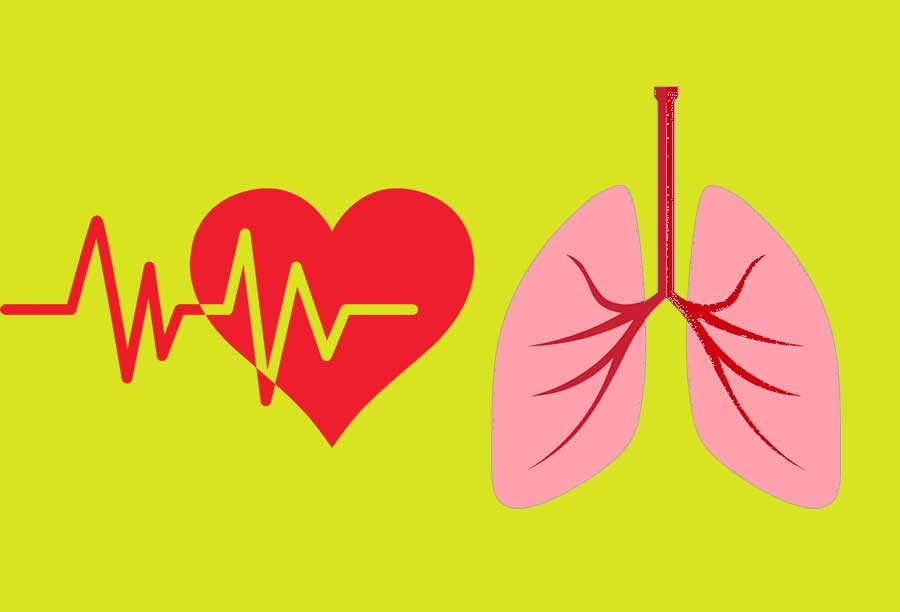
These stress hormones make your heart beat faster and your lungs work faster, so that there is enough blood and oxygen to fuel your muscles and keep you on high alert.
This physical response is appropriate and desired in case of an actual threat, but here, there is no real threat to you.
Your body keeps revving up and goes into this high-alert state every time there is stress or anxiety.
When this high-alert state happens in your body over and over again, it can do a lot of damage to your system.
10. Racing Thoughts, Catastrophizing & Excessive Worry
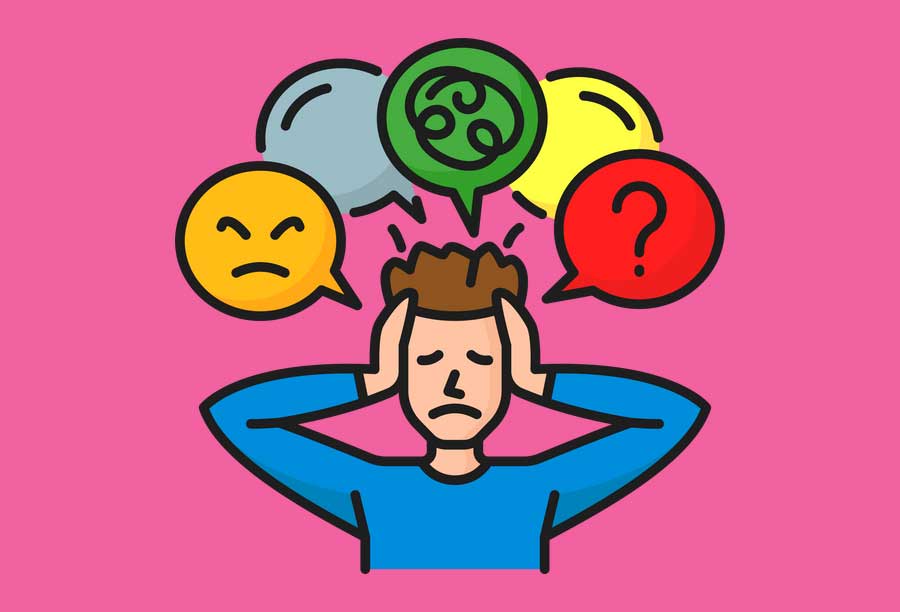
Stress and anxiety can change your brain’s thinking patterns and cause cognitive distortions.
The chemical alarm sent out by the amygdala activates the brain’s fear response, making you hypersensitive to minor changes in surroundings.
Because of this fear response, the prefrontal cortex, or the rational part of the brain, gets hijacked.
Logical decision-making gets overridden by emotional worry.
Your mind starts overthinking and imagines the worst possible “what if” scenario that can happen in every situation.
This is known as Catastrophizing.
Your mind becomes unable to handle any kind of uncertainty in your environment.
Every simple situation can now look like a possible catastrophe that needs to be solved.
These negative thought patterns create further fear, which in turn leads to more stress and anxiety.
Thus, a viscous self-feeding mental loop of negative thoughts is created, which keeps fueling more worry and stress.
9. Sleep Disorder & Bad Dreams
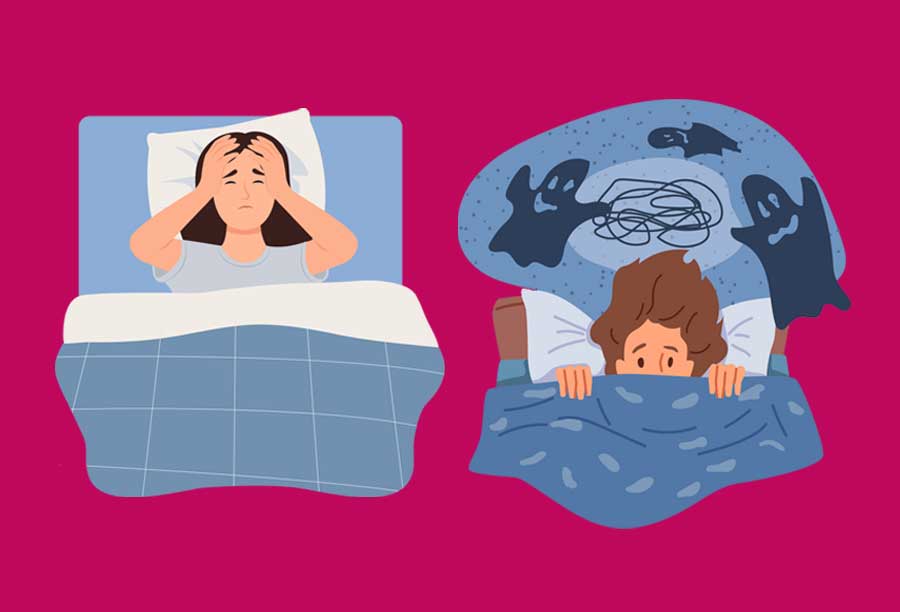
Racing thoughts and worst-case thinking now plague your mind all day long.
Even when you try to sleep, these thoughts refuse to stop and keep you from resting.
Your mind replays conversations and incidents that happened in the past and cooks up possible bad events that can happen in the future.
Adrenaline and cortisol, your body’s stress hormones, disrupt your natural sleep cycle.
They interfere with the production of the sleep hormone melatonin, which is needed to fall asleep.
You spend many sleepless nights tossing and turning in bed with worrying thoughts.
After many such nights, your body now associates bedtime with worrying and frustration.
Your body now behaves as if your bed is a place to worry and not to sleep.
You also worry about not being able to fall asleep, which causes even more worry.
During the REM (rapid eye movement) phase of sleep, your brain may create bad dreams based on your worries,
You may wake up from a bad dream and find it difficult to fall back asleep.
This leads to sleep fragmentation, which causes you to wake up unrested and tired in the morning.
8. Feeling of Overwhelm or Restlessness
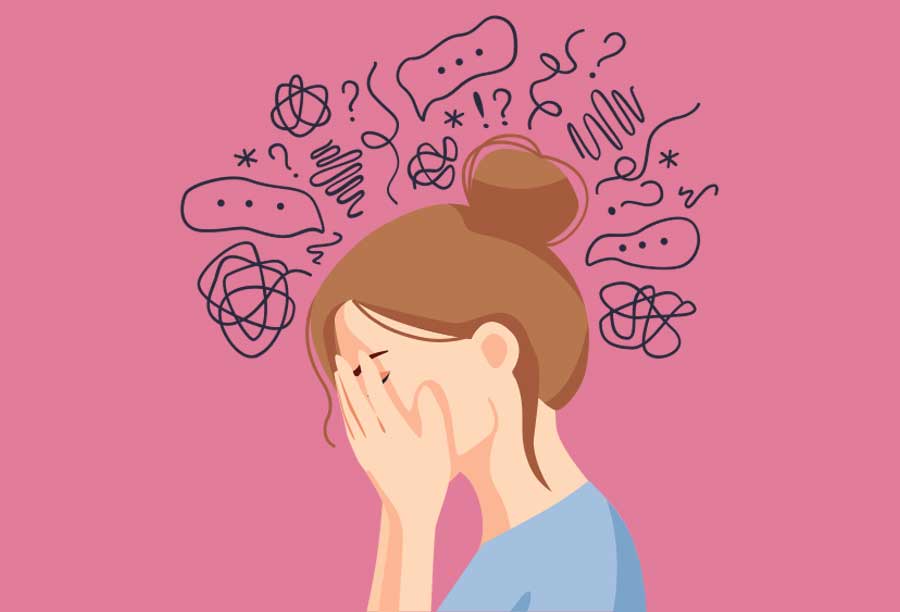
Repeated episodes of stress and anxiety cause your brain’s amygdala to keep sending out alarms.
These alarms mess with the brain’s ability to process sensory data.
Your brain now finds it harder to filter out distractions and prioritize information.
It leads to a state of mental hyperarousal, where your brain tries to juggle between all the imaginary catastrophe scenarios and actual, real-life activities at the same time.
Every thought, stimulus, and task can now feel overwhelming as the brain tries to juggle too many items at once.
This can create a constant sense of overwhelm.
Frequent release of stress hormones, caused by the alarms coming from your amygdala, keeps your sympathetic nervous system active all the time.
The body gets stuck in a high-alert fight or flight mode.
Now your body has too much energy, your muscles are tense, and you have an intense desire to move, but there is no real external need to move.
As a result, you may fidget, pace, tap your fingers, or shake your leg nervously as your body tries to get rid of this excess energy.
This leads to a constant state of restlessness where you are unable to sit still.
7. Frequent Headaches, Muscle Pain, High Blood Pressure & Dizziness
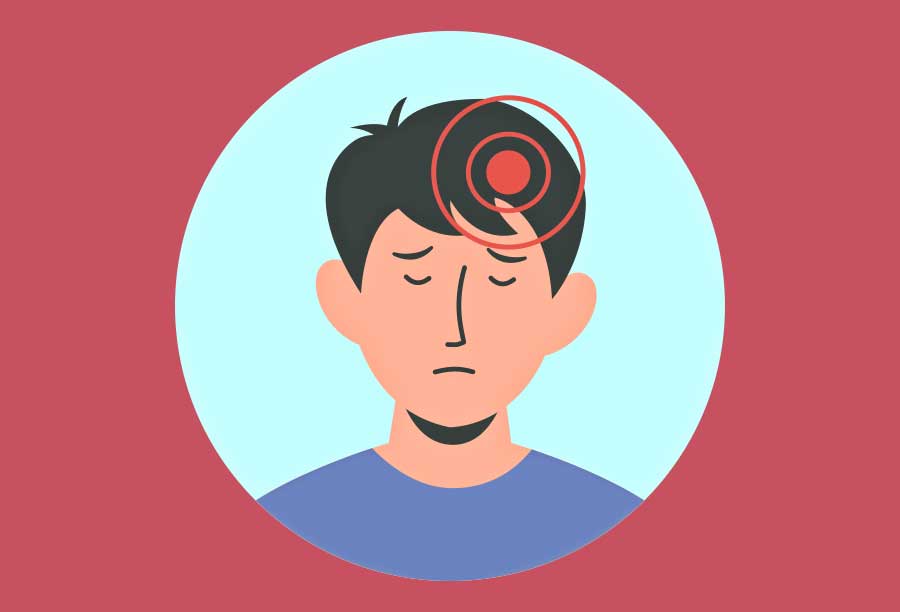
As the stress hormones, cortisol and adrenaline keep your body on high alert all the time, your muscles now remain tense for long periods.
These hormones also cause constriction of blood vessels, which leads to higher blood pressure.
They also make it harder to breathe and cause hyperventilation due to tightness in the chest and pressure in the lungs.
All these factors lead to muscle pain, tension headaches, dizziness, and migraines.
6. Chronic Constipation, Diarrhea, Or Gas
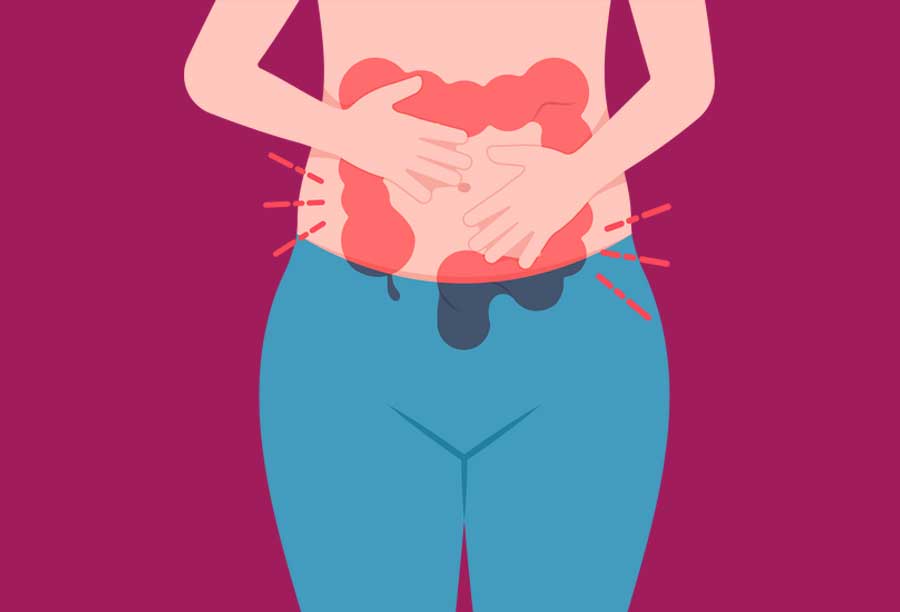
Your gut has its own set of neurons collectively known as the enteric nervous system (ENS) or second brain.
This second brain and your head brain communicate through a complex channel known as the gut-brain axis.
Long-term stress or anxiety interferes with your gut-brain axis.
Stress hormones can cause your gut activities to freeze and slow down to conserve energy.
They can also create tightness in the muscles of your gut.
Muscular tension in the gastrointestinal tract can make it harder for byproducts of digestion to pass through.
This could lead to frequent constipation.
Stress hormones may also make your gut want to empty itself quickly by increasing peristalsis in the intestines.
Excess contraction in gut muscles leads to increased gut mobility, which pushes out food and waste too quickly through the intestines.
This may cause frequent diarrhea.
Stress and anxiety also kill the microbes living in your gut that help digestion.
This may make it harder for your body to digest food and can cause bloating and gas.
5. Hazardous Hormonal Imbalance
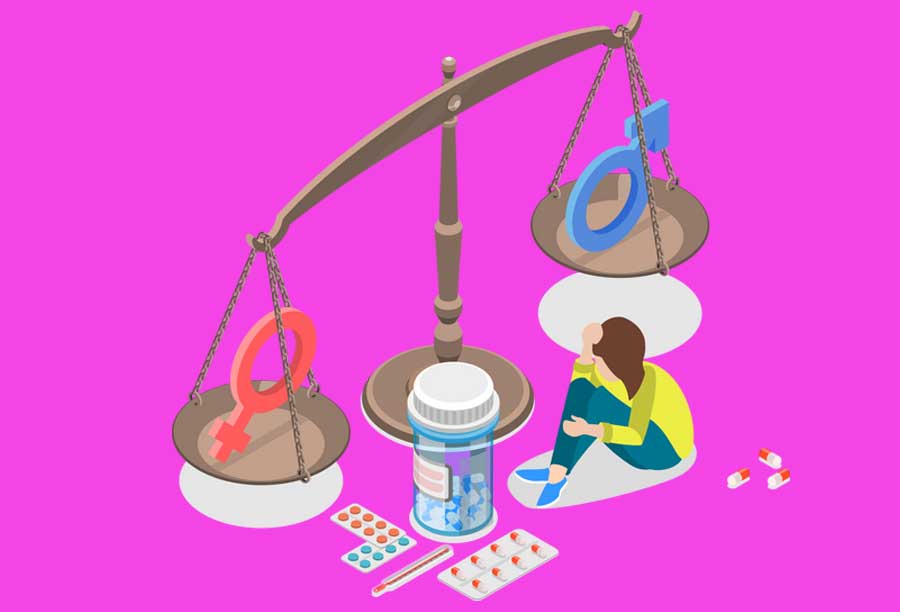
Anxiety & stress influence the hypothalamic-pituitary-adrenal (HPA) axis, which is a critical part of your hormonal system.
As we saw earlier, anxiety and stress trigger your brain’s amygdala to raise an alarm.
This alarm starts a chain of events that eventually leads to the release of stress hormones adrenaline and cortisol.
Elevated stress hormone levels can:
- Increase blood sugar levels and cause insulin resistance
- Interfere with thyroid hormone creation
- Lower production of the male hormone testosterone
- Decrease in the production of the female hormone estrogen
- Disrupt the release of the sleep hormone melatonin
- Affect the production of feel-good hormones serotonin and dopamine
4. Unexpected Weight Gain Or Weight Loss
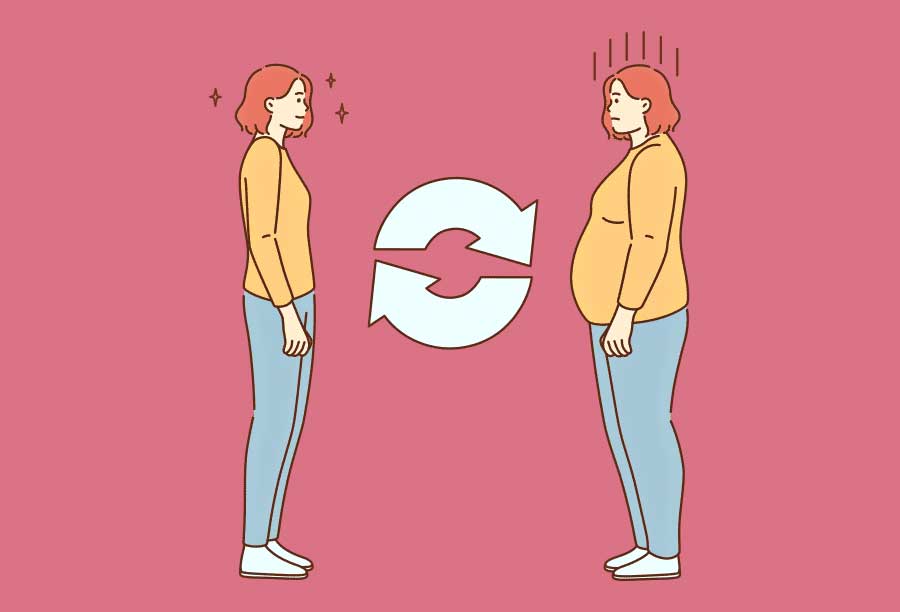
As stress or anxiety can lead to high cortisol levels, this in turn disrupts your physiology.
Cortisol can increase water retention and fat storage in your body.
Repeated periods of stress and anxiety can make you crave sugary and fatty foods.
Because these foods stimulate the release of your body’s feel-good hormones.
Stress also leads to poor sleep, which boosts your hunger hormone ghrelin and lowers the hormone leptin, which makes your stomach feel full.
This leads to overeating and increased food cravings, which can cause weight gain.
On the other hand, stress may also lead to suppression of the hunger hormone ghrelin, which causes loss of appetite.
And because stress hormones affect your gut, it can lead to poor digestion and lower absorption of nutrients.
Cortisol can also speed up your metabolism, causing you to burn more fat as your body is constantly in a state of nervous tension.
Loss of appetite, poor digestion, and increased metabolism may lead to weight loss.
3. Nervous Trembling or Excessive Sweating
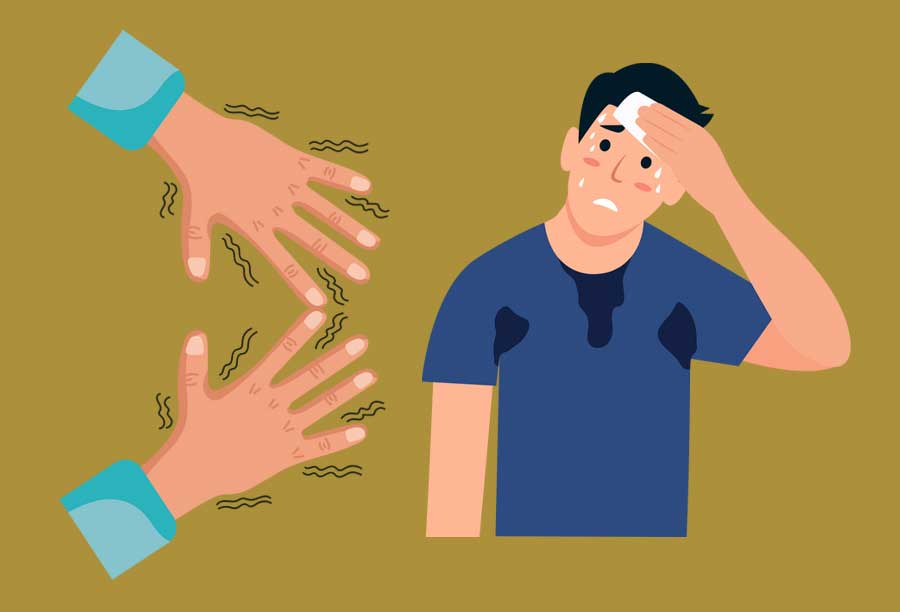
Stress hormones cause your muscles to fill with excess glucose and oxygen as your body prepares for immediate action.
They also make your breathing shallow and your muscles tense.
This can lead to tremors, twitches, or vibrations in the head, legs, hands, or in your voice.
Your body’s stress response can also trigger the sweat glands in your armpits, palms, and forehead to fire up.
This can lead to excess sweating as your body tries to cool down and prevent overheating.
2. Fatigue Or Irritability
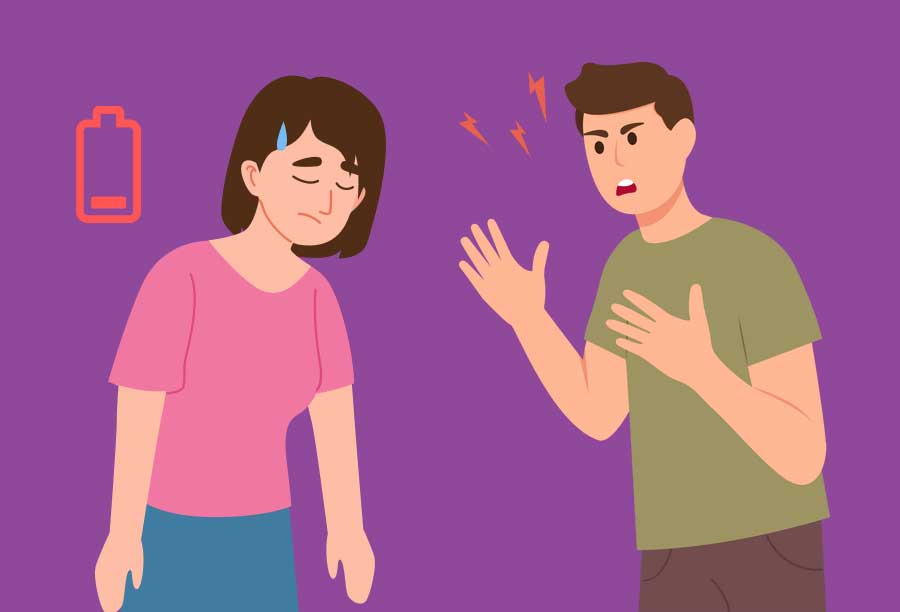
As we saw before, anxiety and stress lead to hormonal imbalance, poor sleep quality, and frequent muscle tension.
This makes you feel exhausted, and at the same time, you may always be on edge.
As stress keeps your system on high alert all the time, you may snap at others even for minor issues.
You feel drained, fatigued, and crushed, and also feel wound up and ready to fire at any moment.
1. Constant Anger or Endless Fear
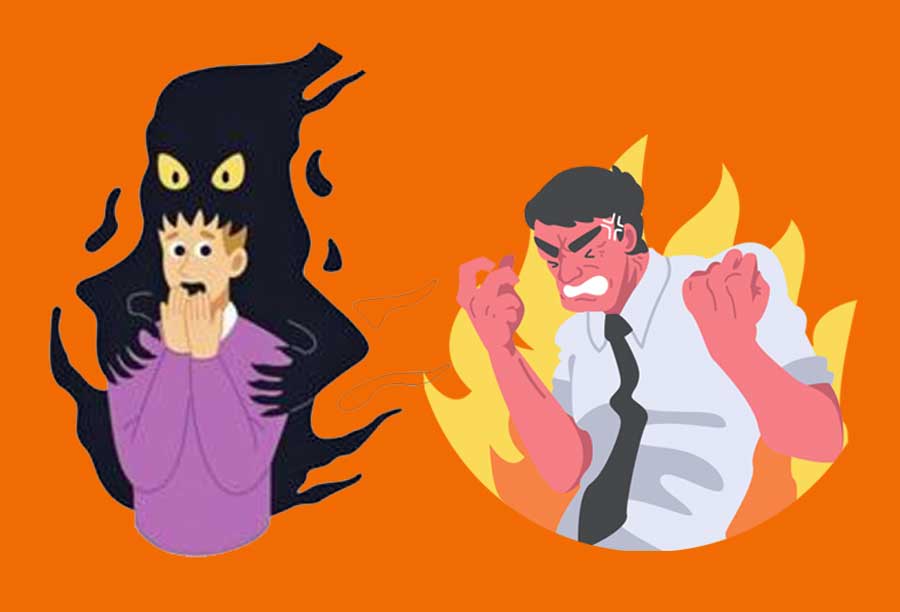
Long-term stress or anxiety can cause your brain’s amygdala to become hyperactive.
The amygdala is part of your brain’s limbic system, which manages your body’s threat response system.
An overactive amygdala causes your mind to remain stuck in a state of hypervigilance.
Your body is always ready for an emergency that never really arrives.
You may start to worry about everything, get irritated by everything, and develop an apprehension for uncertain outcomes.
This leads to a constant state of nervousness and fear.
You want to control everything in your surroundings to eliminate any uncertain outcomes.
Anyone or anything that makes you feel out of control becomes a target for your anger.
As your mind tries to protect itself from underlying fear, it can build a protective wall of anger and aggression.
And as prolonged stress leads to poor sleep and frequent frustrations, this fear and anger get worse with time.
If you have experienced some of these signs of chronic stress and general anxiety for many months or years, then it’s time to take action.
Begin by adjusting your diet to add more stress-reducing foods and get rid of anxiety-boosting foods.
Read more about the difference between stress and anxiety, and consider using some herbal remedies for stress and anxiety as a first aid.
Practice deep breathing exercises to get quick relief when you feel overwhelmed by stress or anxiety.